
Why Is Safe Collection Essential for Rapid Antigen Test Covid-19 Accuracy?
Article Summary
Safe specimen collection is one of the most important steps in obtaining useful results from a Rapid Antigen Test Covid-19. Even when a test kit is properly manufactured, incorrect swabbing, poor hand hygiene, improper sample handling, or contamination can compromise the testing process. Understanding how to prepare the collection environment, use the correct sampling materials, follow instructions, and dispose of used components safely helps improve the reliability of testing and protect both individuals and healthcare personnel.
This article explores the essential principles of COVID-19 antigen test sample collection, common mistakes to avoid, hygiene requirements, and practical considerations for healthcare providers, distributors, and medical product buyers. It also explains how KINGSTAR approaches the importance of quality and responsible testing solutions.
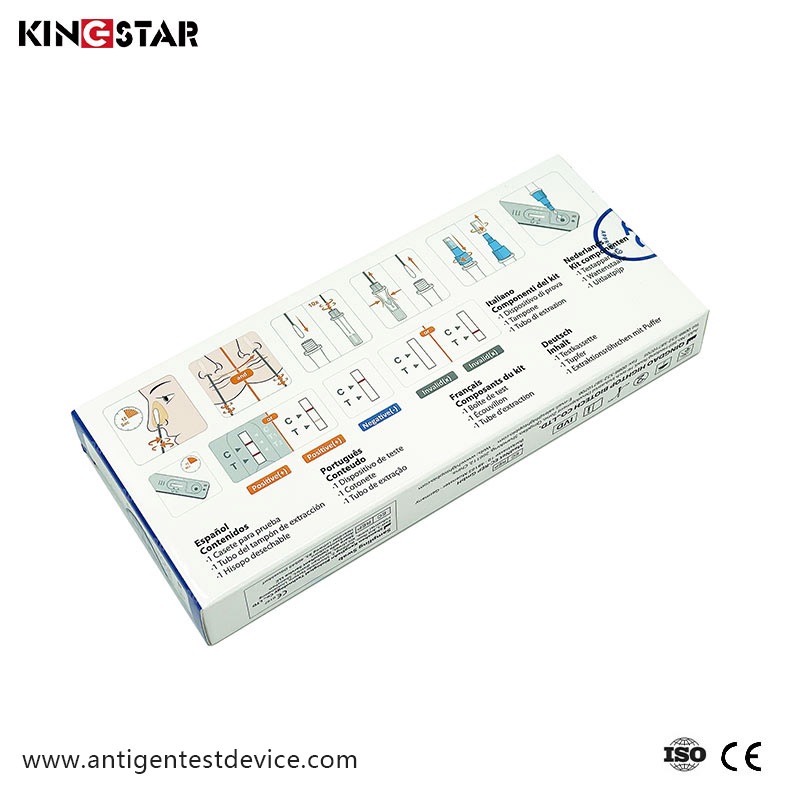
Table of Contents
- Why Is Safe Collection Important for Rapid Antigen Test Covid-19?
- Understanding the COVID-19 Rapid Antigen Testing Process
- What Are the Main Risks of Improper Sample Collection?
- How to Prepare for Safe COVID-19 Sample Collection
- Step-by-Step Guidelines for Safe Specimen Collection
- How Can Cross-Contamination Be Prevented?
- Common Collection Mistakes and How to Avoid Them
- What Should Buyers Consider When Choosing COVID-19 Test Kits?
- The Importance of Quality and Reliability in KINGSTAR Solutions
- Frequently Asked Questions
- Conclusion: Making Safe Collection a Priority
1. Why Is Safe Collection Important for Rapid Antigen Test Covid-19?
COVID-19 testing continues to play an important role in respiratory infection management. When people experience symptoms or need to assess their infection status, rapid antigen tests offer a convenient way to detect specific viral proteins. However, the quality of a test result depends on more than the test device itself. The entire testing procedure, especially specimen collection, deserves careful attention.
A Rapid Antigen Test Covid-19 typically detects antigens associated with SARS-CoV-2 in a respiratory specimen. Depending on the specific product, samples may be collected from the anterior nasal area or another approved specimen site. The collection method must always match the manufacturer's instructions.
Safe collection matters for several reasons:
- Supporting reliable results: Incorrect sampling can result in insufficient or unsuitable specimens, increasing the possibility of inaccurate results.
- Protecting users: Proper handling reduces unnecessary contact with potentially infectious respiratory material.
- Preventing contamination: Clean collection practices help prevent unwanted substances from entering the specimen or test materials.
- Improving workflow efficiency: A standardized procedure reduces avoidable mistakes and repeated testing.
- Maintaining user confidence: Clear instructions and safe handling practices help people feel more confident during testing.
Key Takeaway: A rapid antigen test is only as useful as the complete testing process allows it to be. Appropriate collection, correct handling, and proper result interpretation must work together.
2. Understanding the COVID-19 Rapid Antigen Testing Process
Before discussing collection safety, it is helpful to understand how a rapid antigen test works. Unlike molecular tests such as PCR, which detect viral genetic material, antigen tests identify specific proteins associated with the virus.
Most rapid antigen test kits use an immunochromatographic detection process. After the specimen is collected, it is processed according to the product instructions and applied to the designated test area. If the target antigen is present at a detectable level, it may react with specific antibodies within the test device and produce a visible signal.
Typical Components of a Rapid Antigen Test Kit
| Component | Purpose | Handling Consideration |
|---|---|---|
| Test cassette | Displays the test result through indicator lines. | Keep sealed until use and protect from moisture. |
| Sterile swab | Collects the specimen from the approved sampling site. | Do not touch the collection tip. |
| Extraction buffer | Processes the specimen for testing. | Avoid skin and eye contact or accidental ingestion. |
| Extraction tube | Holds the specimen and buffer during processing. | Use the supplied component as instructed. |
| Dropper or nozzle | Transfers the prepared specimen to the test cassette. | Follow the specified transfer procedure. |
| Instructions for Use | Explains collection, testing, and result interpretation. | Read before starting the procedure. |
Not every test kit contains identical components. Some products integrate several functions into a single device, while others require separate extraction steps. Users should never assume that different brands or models share the same operating procedure.
Why Does the Collection Method Matter?
Different test products are designed and validated for specific specimen types. A nasal swab, nasopharyngeal swab, throat swab, and saliva sample are not automatically interchangeable.
Using an unapproved specimen type may affect test performance. For this reason, healthcare professionals and individual users should confirm the permitted sample type before beginning the procedure.
3. What Are the Main Risks of Improper Sample Collection?
Unsafe collection practices can create problems at several stages of testing. Understanding these risks makes it easier to establish appropriate procedures.
3.1 Insufficient Specimen Collection
When a swab is not used according to the recommended sampling procedure, the collected material may be inadequate. This can affect the amount of target material available for detection and potentially contribute to a false-negative result.
3.2 Cross-Contamination
Contact between the swab tip, hands, work surfaces, or other materials can introduce unwanted substances into the specimen. Contamination may interfere with the testing process or create additional infection-control concerns.
3.3 Incorrect Handling of Extraction Buffer
Extraction solutions are designed for a specific testing procedure. Spilling, mixing incompatible reagents, using the wrong quantity, or accidentally touching the solution can create safety and performance problems.
3.4 Exposure to Infectious Material
Respiratory specimens may contain infectious material. Without appropriate hygiene and protective measures, people collecting or handling specimens may experience avoidable exposure.
3.5 Incorrect Result Interpretation
Reading a test too early or too late can lead to misinterpretation. A result must be read within the time window specified in the relevant Instructions for Use.
Important: A negative antigen result does not always exclude COVID-19 infection. Antigen tests may be less sensitive than molecular tests, particularly during early infection or when viral levels are low. Follow applicable repeat-testing recommendations and seek medical advice when appropriate.
4. How to Prepare for Safe COVID-19 Sample Collection
Good preparation reduces unnecessary handling and helps establish a controlled testing environment. Whether testing takes place at home, in a clinic, or at a designated testing facility, several basic precautions should be followed.
4.1 Choose a Clean Collection Area
Use a clean, dry, stable surface with sufficient lighting. Keep food, drinks, personal belongings, and unrelated materials away from the testing area. The surface should be cleaned according to the applicable infection-control procedure before and after testing.
4.2 Check the Test Kit Before Opening
Inspect the packaging for visible damage, confirm the expiration date, and check that the required components are included. Do not use a test cassette or collection component if its packaging is damaged or its condition raises concerns.
4.3 Perform Hand Hygiene
Wash hands thoroughly with soap and water or use an appropriate hand sanitizer before handling test components. Hands should also be cleaned after completing the procedure and disposing of used materials.
4.4 Prepare Appropriate Protective Equipment
For healthcare settings, protective equipment should be selected according to the exposure risk and local infection-prevention requirements. Depending on the procedure, this may include gloves, a well-fitting mask or respirator, eye protection, and protective clothing.
4.5 Read the Instructions Carefully
Different test products may have different sampling depths, swabbing methods, extraction procedures, and interpretation windows. Users should review the complete instructions before opening the kit rather than relying on experience with another brand.
5. Step-by-Step Guidelines for Safe Specimen Collection
A standardized workflow helps minimize avoidable errors. The following stages provide a general overview of safe testing preparation and handling. They do not replace the specific instructions supplied with an individual test kit.
Step 1: Verify the Test Kit
Check the product name, expiration date, packaging integrity, and included components. Confirm that the test is appropriate for the intended user and specimen type.
Step 2: Prepare the Testing Environment
Clean the work surface, arrange the required components, and ensure that the area is adequately ventilated where appropriate. Keep unnecessary items away from the collection space.
Step 3: Perform Hand Hygiene
Clean your hands before handling the collection materials. If gloves are required, use appropriate gloves and change them when contaminated or between individuals as required by the applicable procedure.
Step 4: Collect the Approved Specimen
Follow the manufacturer's instructions for the designated sampling site. Avoid touching the swab tip or placing it on an unclean surface. Never force the swab or use a sampling method that is not authorized for the test.
Step 5: Process the Specimen Correctly
Transfer the collected specimen into the supplied extraction system exactly as described in the Instructions for Use. Observe the specified mixing, extraction, and transfer procedures.
Step 6: Perform the Test
Apply the prepared specimen to the designated area of the test device using the specified amount. Place the cassette on a stable surface and wait for the stated reaction period.
Step 7: Interpret the Result
Read the result only within the manufacturer's specified time window. Check the control indicator and follow the product-specific interpretation guide. An absent or invalid control indicator means the result should not be treated as a valid negative or positive result.
Step 8: Dispose of Used Materials Safely
Discard the swab, extraction components, test device, and other used materials according to the kit instructions and local waste-management requirements. Clean the work area and perform hand hygiene again.
Following these steps in the correct order helps create a more consistent testing experience. However, the exact procedure must always be determined by the specific product's approved instructions and intended use.
6. How Can Cross-Contamination Be Prevented?
Cross-contamination is a major concern in specimen collection, especially when multiple people are tested in the same location. It occurs when unwanted material is transferred between specimens, collection equipment, hands, or environmental surfaces.
Effective prevention depends on consistent hygiene practices rather than a single protective measure.
Essential Cross-Contamination Prevention Practices
- Use a new, sterile, single-use collection swab for each individual.
- Never reuse swabs, extraction tubes, or other single-use components.
- Avoid touching the swab's specimen collection tip.
- Keep unused test materials sealed until they are needed.
- Do not interchange components from different test kits or product batches.
- Clean and disinfect work surfaces using appropriate products and procedures.
- Change gloves between individuals and whenever they become contaminated.
- Keep collected specimens separate and properly identified when identification is required.
- Follow local infection-prevention and waste-disposal requirements.
For testing facilities: Establishing a clearly defined workflow for clean materials, specimen collection, processing, and waste disposal can help reduce accidental contact between different testing stages.
Why Is Single-Use Equipment Important?
Single-use collection materials are designed to be used for one collection procedure. Reusing them can introduce residual biological material or cleaning chemicals, compromise specimen integrity, and increase contamination risks.
For healthcare providers and distributors, confirming that collection accessories are suitable for their intended use is an important part of product evaluation.
7. Common Collection Mistakes and How to Avoid Them
Even a straightforward rapid antigen testing procedure can be affected by small operational errors. Recognizing common mistakes helps users improve consistency and avoid unnecessary repeat testing.
| Common Mistake | Possible Consequence | Recommended Prevention |
|---|---|---|
| Not reading the instructions | Incorrect sampling or testing procedure. | Review the complete product instructions first. |
| Touching the swab tip | Possible contamination of the collection area. | Handle the swab only as instructed. |
| Using an expired kit | Test performance may be unreliable. | Check the expiration date before use. |
| Using an incorrect specimen type | Unvalidated testing conditions. | Use only approved specimen types. |
| Mixing components from different kits | Incompatible reagents or incorrect processing. | Keep each kit's components together. |
| Reading results outside the time window | Potentially incorrect interpretation. | Follow the specified reading time. |
| Reusing collection materials | Contamination and exposure risks. | Use single-use materials only once. |
| Ignoring an invalid control line | Accepting an unreliable result. | Repeat testing with a new kit as instructed. |
For organizations conducting repeated testing, staff training and written operating procedures can help reduce these errors. A consistent process also makes it easier to identify where corrective action may be needed.
8. What Should Buyers Consider When Choosing COVID-19 Test Kits?
For medical distributors, importers, healthcare procurement departments, and institutional buyers, selecting a COVID-19 rapid antigen test requires more than comparing unit prices. Product suitability, documentation, usability, and supply reliability should all be considered.
8.1 Intended Use and Regulatory Compliance
Buyers should verify the product's intended use, approved specimen type, intended user population, and applicable regulatory status in the destination market. Regulatory requirements differ between countries and regions, so buyers should request relevant supporting documentation rather than assume that approval in one market applies everywhere.
8.2 Collection Materials and Kit Completeness
Confirm that the kit includes the required collection and processing components. Check whether the supplied swab is suitable for the intended sampling method and whether the instructions clearly explain the complete procedure.
8.3 Test Performance Documentation
Request available analytical and clinical performance information, including sensitivity, specificity, study conditions, and limitations. Performance figures should be evaluated in the context of the relevant study population and specimen type.
8.4 Storage and Transportation Requirements
Temperature and humidity conditions can affect product stability. Buyers should review the manufacturer's storage specifications, transportation requirements, shelf life, and packaging information before placing bulk orders.
8.5 Instructions and User Experience
Clear instructions are particularly important when products are distributed to different countries and used by people with varying levels of testing experience. Consider language availability, visual guidance, packaging clarity, and ease of handling.
8.6 Supplier Communication and After-Sales Support
A dependable supplier should be able to provide product specifications, technical documentation, packaging details, and answers to procurement questions. Responsive communication is also important when buyers need to confirm order requirements or discuss market-specific documentation.
| Purchasing Factor | Questions Buyers Should Ask |
|---|---|
| Product compliance | Does the product meet the applicable requirements in the target market? |
| Performance | Are clinical and analytical performance data available? |
| Collection method | What specimen type and collection accessories are supported? |
| Packaging | Are the components complete, clearly labeled, and individually protected where required? |
| Storage | What are the validated storage and transportation conditions? |
| Supply capacity | Can the supplier support the required purchasing volume and delivery schedule? |
| Technical support | Can the supplier provide documentation and respond to technical inquiries? |
9. The Importance of Quality and Reliability in KINGSTAR Solutions
In the medical testing industry, reliable products and clear technical information are important considerations for healthcare providers, distributors, and procurement professionals. Buyers need solutions that fit their intended applications while meeting relevant quality and regulatory requirements.
KINGSTAR recognizes the importance of product quality, responsible handling, and clear communication throughout the medical testing supply process. For buyers evaluating rapid antigen testing products, understanding the relationship between collection materials, testing procedures, and product documentation is essential.
What Should a Professional Supplier Focus On?
- Product information: Providing clear specifications and intended-use information to help buyers evaluate product suitability.
- Collection compatibility: Ensuring that the collection accessories supplied with a test are appropriate for its specified procedure.
- Packaging integrity: Paying attention to component protection, labeling, and product identification.
- Technical documentation: Making relevant product instructions and supporting documentation available for review.
- Customer communication: Responding clearly to questions about product specifications, ordering, and documentation requirements.
For international buyers, these considerations can simplify supplier evaluation and help establish a more dependable procurement process.
When assessing KINGSTAR products, buyers are encouraged to request the specific product catalog, applicable certifications, technical specifications, and regulatory documentation relevant to their target market. Product performance and compliance should always be evaluated using the documentation for the actual product being purchased.
10. Frequently Asked Questions
Q1: Why is safe collection important for a Rapid Antigen Test Covid-19?
Safe collection helps protect users from unnecessary exposure, reduces contamination risks, and supports reliable specimen handling. Incorrect sampling may affect the quality of the specimen and contribute to inaccurate results.
Q2: Can I use any nasal swab for a COVID-19 rapid antigen test?
No. Only the swab supplied with the test or another collection device specifically authorized by the manufacturer should be used. Different swabs may have different materials, designs, and intended sampling applications.
Q3: Should I wash my hands before collecting a COVID-19 sample?
Yes. Hand hygiene should be performed before handling test components and again after completing the procedure. This helps reduce the transfer of unwanted material between hands, collection devices, and work surfaces.
Q4: Can a poorly collected specimen affect the test result?
Yes. An inadequate or improperly handled specimen may affect test performance. Following the manufacturer's sampling instructions is essential for obtaining a specimen suitable for the test.
Q5: Can COVID-19 rapid antigen test components be reused?
No. Components identified as single-use must not be reused. Reusing swabs, extraction tubes, or other disposable materials may increase contamination risks and compromise the testing process.
Q6: What should I do if the rapid antigen test shows an invalid result?
Check the manufacturer's interpretation instructions. An absent or invalid control indicator means the test has not produced a valid result. Repeat the procedure using a new test kit as directed by the manufacturer.
Q7: Does a negative rapid antigen result mean that I definitely do not have COVID-19?
No. A negative antigen result does not completely rule out infection. Antigen tests can miss infections, particularly when viral levels are low. Follow the repeat-testing recommendations applicable to the specific product and seek medical advice if symptoms or clinical concerns remain.
Q8: How should used COVID-19 test materials be disposed of?
Dispose of used components according to the product instructions and applicable local waste-management regulations. Healthcare facilities should follow their established procedures for potentially infectious materials.
Q9: What should distributors check before purchasing COVID-19 antigen test kits in bulk?
Distributors should review intended use, regulatory documentation, performance data, specimen compatibility, packaging integrity, shelf life, storage conditions, and supplier support. These factors help determine whether a product is appropriate for the target market.
Q10: Why should buyers consider KINGSTAR when evaluating testing products?
Buyers evaluating KINGSTAR can request product specifications, technical information, relevant documentation, and procurement details to determine whether the available products meet their business and market requirements.
11. Conclusion: Making Safe Collection a Priority
Safe collection is a fundamental part of the Rapid Antigen Test Covid-19 process. From preparing a clean testing environment to selecting the correct collection materials, handling specimens properly, and disposing of used components responsibly, every stage contributes to a safer and more consistent testing procedure.
For individuals, following the manufacturer's instructions helps reduce avoidable errors and supports appropriate use of rapid antigen tests. For healthcare providers, standardized procedures, staff training, and infection-control practices are essential for maintaining a controlled testing environment.
For distributors and procurement professionals, choosing suitable products requires careful attention to product specifications, regulatory documentation, collection compatibility, packaging, and supplier support.
Ultimately, reliable testing starts with responsible preparation and proper specimen collection. By prioritizing safe handling, correct procedures, and product quality, healthcare organizations and medical suppliers can support more dependable testing practices.
KINGSTAR welcomes professional inquiries from international buyers seeking further information about medical testing products and related procurement requirements.
Looking for Reliable Medical Testing Products?
Choosing the right testing products starts with understanding your application, technical requirements, and target market. Contact KINGSTAR to discuss your product inquiries, request available specifications, and explore potential business cooperation.
Contact us today to learn more about KINGSTAR products and find solutions that match your procurement needs.
Contact Us
Send Inquiry



X
We use cookies to offer you a better browsing experience, analyze site traffic and personalize content. By using this site, you agree to our use of cookies.
Privacy Policy