
How Can a Rapid Antigen Test for the Anterior Nasal Covid-19 Make Testing Faster and More Accessible
Summary: A Rapid Antigen Test for the Anterior Nasal Covid-19 is designed to provide a convenient way to detect SARS-CoV-2 viral antigens from an anterior nasal specimen without requiring a laboratory setting. For manufacturers, distributors, healthcare organizations, and testing-solution buyers, KINGSTAR provides an anterior nasal COVID-19 rapid antigen testing solution designed around simple specimen collection, fast result interpretation, and practical self-testing requirements. The product information indicates that results can be read at around 15 minutes, while users should always follow the specific instructions supplied with the test.
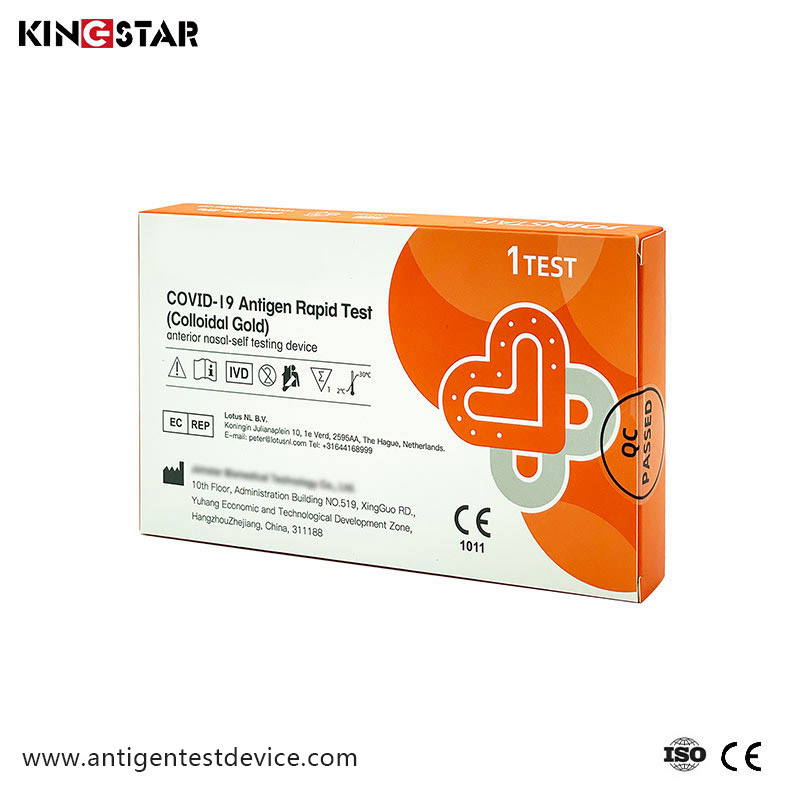
Table of Contents
- What Is an Anterior Nasal COVID-19 Rapid Antigen Test?
- How Does Anterior Nasal Antigen Testing Work?
- What Are the Main Advantages of Rapid Anterior Nasal Testing?
- What Is Included in a Typical Rapid Antigen Test Kit?
- Where Can Anterior Nasal Rapid Antigen Tests Be Used?
- How Should Rapid Antigen Test Results Be Interpreted?
- How Should Buyers Evaluate an Anterior Nasal COVID-19 Test?
- Frequently Asked Questions
- Conclusion
What Is an Anterior Nasal COVID-19 Rapid Antigen Test?
Anterior nasal COVID-19 antigen testing uses a nasal specimen collected from the front portion of the nostril to identify viral proteins associated with SARS-CoV-2. Unlike laboratory-based molecular testing, rapid antigen testing is designed to provide results within a relatively short period, making it suitable for situations where timely information is important.
The Rapid Antigen Test for the Anterior Nasal Covid-19 supplied by KINGSTAR is described as an out-of-laboratory self-monitoring product. Its stated kit components include a test cassette, extraction buffer, sterile swab, instructions for use, and a biohazard waste bag.
Antigen tests detect viral proteins rather than amplifying viral genetic material. According to the CDC's COVID-19 testing guidance, antigen tests generally provide results in approximately 15–30 minutes, although they are less sensitive than nucleic acid amplification tests such as PCR, particularly when viral levels are low.
How Does Anterior Nasal Antigen Testing Work?
The testing process is based on collecting a specimen from the anterior nasal area and transferring the collected material into the test system. The reagents in the test cassette interact with target viral antigens, producing a visible result when the target is detected.
Although the procedure is straightforward, correct specimen collection is important. The CDC specimen-collection guidance explains that anterior nasal sampling involves placing the supplied swab inside the nostril and sampling the nasal wall according to the test instructions.
- Read the complete instructions before beginning the test.
- Prepare the cassette, extraction buffer, sterile swab, and other supplied materials.
- Collect the anterior nasal specimen according to the product's instructions.
- Process the swab using the supplied extraction system.
- Apply the processed specimen to the test cassette as instructed.
- Wait for the specified reading period.
- Interpret the result only within the manufacturer's stated time window.
For the KINGSTAR product, the published product information states that the result can be read at approximately 15 minutes and that a result read before the specified time is invalid. Users should always follow the current instructions supplied with the individual test.
What Are the Main Advantages of Rapid Anterior Nasal Testing?
The value of an anterior nasal rapid antigen test comes from combining relatively simple sample collection with rapid result availability. This can make the format practical for organizations that need a convenient testing workflow rather than laboratory-based processing for every screening event.
1. Convenient Specimen Collection
Anterior nasal collection samples the front part of the nasal cavity rather than requiring a deeper nasopharyngeal collection. This design can make the collection procedure more practical for self-testing when the specific product is authorized or intended for that use.
2. Fast Result Availability
Rapid antigen tests are designed to provide results in minutes. KINGSTAR's product information specifies an approximately 15-minute reading time. Fast turnaround can be useful when people need timely information before proceeding with everyday activities or when an organization needs a quick initial screening result.
3. Practical Out-of-Laboratory Use
The product is designed for out-of-laboratory self-monitoring. This removes the need to send every specimen to a centralized laboratory for initial rapid screening, although professional medical testing may still be appropriate depending on the circumstances and applicable regulations.
4. Complete Basic Kit Configuration
A practical testing kit should provide the essential components needed for the stated procedure. The KINGSTAR product description identifies the following components:
- Test cassette
- Extraction buffer
- Sterile swab
- Instruction for Use
- Biohazard waste bag
What Is Included in a Typical Rapid Antigen Test Kit?
For procurement teams, distributors, and healthcare product buyers, kit configuration is an important consideration because missing or inconsistent components can complicate distribution and end-user operation.
| Component | Purpose | Buyer Consideration |
|---|---|---|
| Test Cassette | Provides the testing reaction and visual result | Check packaging, labeling, and applicable regulatory requirements |
| Extraction Buffer | Processes the collected specimen for testing | Confirm correct quantity, storage conditions, and compatibility |
| Sterile Swab | Collects the anterior nasal specimen | Confirm the supplied swab matches the test procedure |
| Instructions for Use | Explains collection, operation, timing, and interpretation | Check language, clarity, and local compliance requirements |
| Biohazard Waste Bag | Supports appropriate disposal of used test materials | Useful for maintaining an organized testing workflow |
For international procurement, buyers should also verify the intended market, applicable regulatory status, labeling requirements, shelf life, storage conditions, packaging configuration, and documentation before placing an order.
Where Can Anterior Nasal Rapid Antigen Tests Be Used?
The appropriate application depends on the product's regulatory authorization and intended-use statement. In general, rapid antigen testing may be considered in settings where quick information about a current respiratory infection is useful.
- Home self-testing: When the product is specifically authorized or intended for individual use.
- Travel-related testing: Where applicable entry or travel requirements call for an accepted COVID-19 test.
- Workplace screening: Subject to local regulations, organizational policies, and product authorization.
- Community testing: Rapid testing can support decentralized testing programs when appropriate.
- Healthcare and point-of-care environments: Authorized rapid tests can be used under the applicable testing and regulatory framework.
CDC guidance notes that point-of-care SARS-CoV-2 testing can occur in locations such as physician offices, urgent care facilities, pharmacies, schools, and long-term care settings. Requirements can vary depending on whether testing is performed by an individual or by trained personnel.
How Should Rapid Antigen Test Results Be Interpreted?
Understanding the limitations of antigen testing is essential for responsible use. A rapid antigen test provides useful information, but it should not automatically be treated as equivalent to a molecular test.
| Result | General Meaning | Important Consideration |
|---|---|---|
| Positive | SARS-CoV-2 antigen was detected | Follow applicable health guidance and consider medical advice when appropriate |
| Negative | No target antigen was detected at the time of testing | A single negative antigen test does not completely rule out infection |
| Invalid | The test did not produce a valid interpretable result | Follow the manufacturer's instructions regarding repeat testing |
The CDC states that positive antigen results are generally reliable, while a single negative antigen result cannot rule out COVID-19. For people with symptoms, current CDC guidance recommends following FDA recommendations for repeat testing after a negative antigen result. For people without symptoms, repeat testing may also be recommended depending on the applicable FDA guidance and test instructions.
Therefore, buyers and end users should avoid treating a rapid antigen test as an absolute diagnostic tool. Clinical symptoms, exposure circumstances, repeat testing, and professional medical assessment may all be relevant.
How Should Buyers Evaluate an Anterior Nasal COVID-19 Test?
Choosing a suitable rapid antigen testing product involves more than comparing unit prices. Procurement teams should evaluate the complete testing solution and its intended market.
Key Evaluation Criteria
- Intended use: Confirm whether the product is intended for self-testing, professional use, or point-of-care testing.
- Specimen type: Verify that the test supports the required anterior nasal specimen.
- Result time: Confirm the manufacturer's stated reading period.
- Kit configuration: Check whether swabs, buffer, cassette, instructions, and disposal materials are included.
- Regulatory documentation: Verify the requirements applicable to the destination market.
- Packaging: Consider individual, multi-test, or institutional packaging according to distribution needs.
- Storage and shelf life: Confirm transportation and storage conditions before procurement.
- Supplier capability: Assess production capacity, quality management, documentation, communication, and after-sales support.
For distributors seeking a China-based supplier, product consistency and documentation support can be just as important as the initial purchase price. A reliable supplier should be able to clearly explain the intended use, test procedure, packaging configuration, and applicable product documentation.
Frequently Asked Questions
1. What is an anterior nasal COVID-19 antigen test?
An anterior nasal COVID-19 antigen test is a rapid viral antigen test that uses a specimen collected from the front portion of the nasal cavity. It is designed to detect SARS-CoV-2 viral antigens and provide a rapid result according to the manufacturer's specified testing procedure.
2. How long does the KINGSTAR rapid antigen test take?
The KINGSTAR product information states that the result can be obtained at approximately 15 minutes. The exact reading window should always be confirmed using the current instructions supplied with the product.
3. Can a negative rapid antigen test completely rule out COVID-19?
No. A negative antigen result means the test did not detect the target antigen at that time, but it does not completely exclude infection. The CDC recommends following FDA recommendations for repeat testing after negative antigen results when applicable.
4. Is an anterior nasal test the same as a PCR test?
No. An anterior nasal antigen test detects viral proteins, while PCR and other nucleic acid amplification tests detect viral genetic material. NAATs are generally more sensitive, while antigen tests offer the advantage of rapid results.
5. What does a rapid antigen test kit normally contain?
The KINGSTAR product is described as containing a test cassette, extraction buffer, sterile swab, instructions for use, and a biohazard waste bag. Actual configurations can vary by product version and destination market.
6. Who should buyers contact before purchasing COVID-19 rapid tests?
Commercial buyers should communicate with the supplier to confirm intended use, regulatory documentation, packaging, storage requirements, minimum order quantities, lead times, and destination-market requirements before placing an order.
Conclusion
A Rapid Antigen Test for the Anterior Nasal Covid-19 combines accessible nasal specimen collection with rapid antigen detection, making this testing format relevant for appropriate self-testing, screening, and point-of-care applications where permitted. KINGSTAR's product is designed for out-of-laboratory self-monitoring and provides a compact testing configuration with a test cassette, extraction buffer, sterile swab, instructions, and biohazard waste bag. For buyers, selecting the right solution requires attention to intended use, regulatory status, result timing, kit configuration, storage, documentation, and supplier support. If you are sourcing anterior nasal COVID-19 rapid antigen testing products for your market, contact us to discuss product specifications, packaging, supply requirements, and available solutions from KINGSTAR.
Send Inquiry



X
We use cookies to offer you a better browsing experience, analyze site traffic and personalize content. By using this site, you agree to our use of cookies.
Privacy Policy